
Metabolic–Respiratory Priming in judo: a physiological perspective on performance onset
Bruyère F, Aimar F, Centracchio E and Ferretti A (2026) Metabolic–Respiratory Priming in judo: a physiological perspective on performance onset. Front. Sports Act.

ABSTRACT
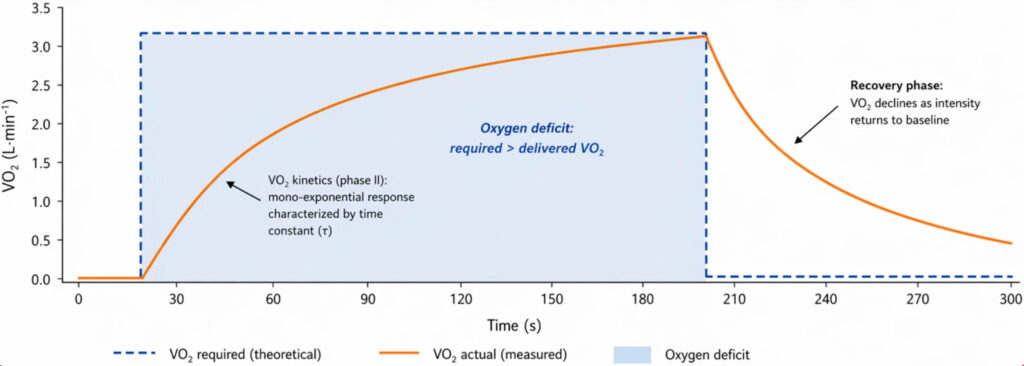
Combat sports impose a distinctive performance constraint: maximal tactical and metabolic demands emerge immediately at match onset, before oxidative metabolism has reached steady state. In judo, grip engagement, off-balancing attempts, and scoring actions frequently occur within the opening minute, creating a mismatch between energetic demand and metabolic readiness that may influence tactical control and match outcome. This Perspective formalizes Metabolic–Respiratory Priming (MRP) as a practitioner-derived, hypothesis-generating framework addressing early-match metabolic lag. Grounded in oxygen uptake (VO₂) kinetics and contemporary lactate metabolism concepts, MRP is defined as a brief terminal activation phase designed to accelerate VO₂ kinetics, reduce oxygen deficit, and align metabolic responses at performance onset. Although MRP may coexist with neuromuscular priming strategies such as post-activation performance enhancement (PAPE), it is conceptually distinct in objective, timing, and expression window. We outline the physiological rationale for MRP, propose applied implementation considerations under elite competition ecology, and present a representative warm-up architecture used within the Italian National Judo Team. Limitations and future research priorities are discussed to encourage empirical validation across intermittent combat sports characterized by abrupt high-intensity onset.
Donwload the full article HERE.