
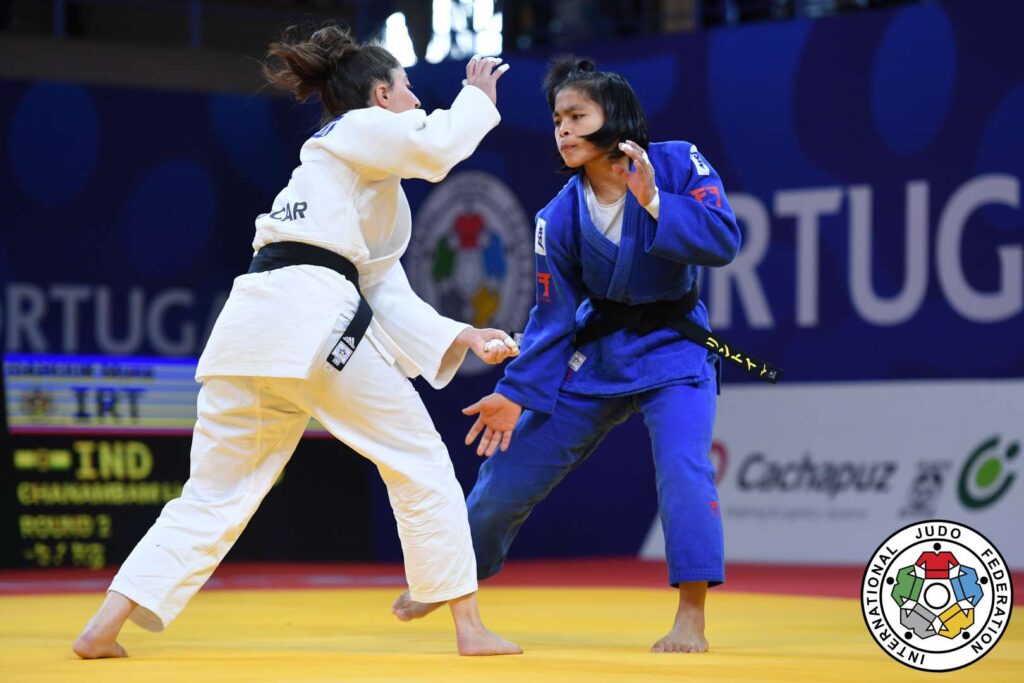
Motivation in combat sports: a cross-cultural study on judokas from Brazil, India, and Poland
Rawat K, Pujszo R, Detanico D, Kons RL. Motivation in combat sports: a cross-cultural study on judokas from Brazil, India, and Poland. Health Psychology Report. 2026.

ABSTRACT
Background: This study aimed to (1) validate the Sport Motivation Scale (SMS) for Indian athletes and (2) compare sports motivation among judokas from India, Poland, and Brazil to explore cultural differences in motivational patterns.
Participants and procedure: Study 1 involved 305 Indian athletes across various sports. Confirmatory factor analysis (CFA), reliability testing, and measurement invariance were conducted using the Indian-adapted SMS, Anxiety-Depression-Stress Scale, and Achievement Motivation Scale. Study 2 included 104 judokas (India: 37, Poland: 32, Brazil: 35). Culturally validated versions of SMS were used to assess intrinsic, extrinsic motivation, and amotivation. Statistical analysis included the Tukey test, correlation analy-sis, and trend analysis.
Results: The Indian SMS showed good model fit (CFI = .95, TLI = .94, RMSEA = .05), high internal consistency (α = .81-.96), and strong convergent/discriminant validity. Cross-cultural comparisons showed no significant differences in intrinsic motiva-tion, introjected regulation, or identified regulation among judokas, reflecting the standardized philosophy of judo. Differ-ences were mainly observed in externally regulated motivation and amotivation, highlighting the role of sociocultural and structural factors. Career-related factors revealed distinct motivational patterns: career length was associated with identified motivation in Indian judokas and with intrinsic motivation to experience stimulation in Polish judokas, whereas career qual-ity showed associations with both intrinsic and extrinsic motivation across all groups. These findings highlight the im-portance of autonomy-supportive and culturally sensitive sport environments in sustaining long-term athletic engagement.
Conclusions: This study validates the SMS for Indian athletes and reveals that, while core motivational components in judo are largely consistent across cultures, differences in external regulation and amotivation reflect sociocultural and structural influences. These findings highlight the need for culturally sensitive and autonomy-supportive environments to sustain long-term motivation in judo.
Download de full article HERE.